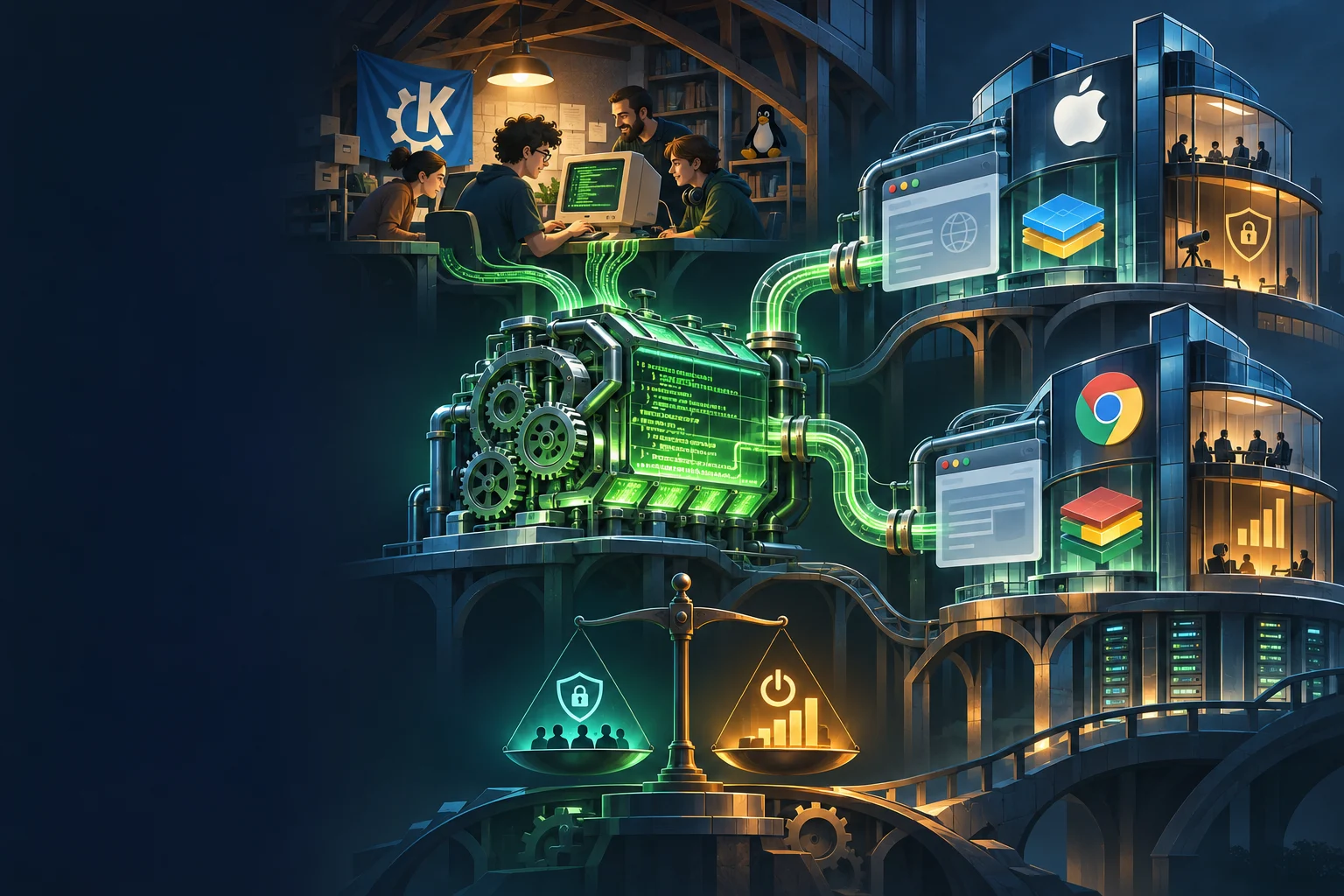
KDE wrote the engine. Today it runs in both corners.
Listen — four voices, about six minutes, no charge
Press play before you read a word.
Read the transcript
01Two lines on a grid
The recordPut the desktops on two lines. One runs from privacy first to data extractive. The other runs from the people who write the software, down to corporate in control.
The desktopAnd I'm up in the top left corner. Free, private, run by the people who write me. That's the happy ending.
The engineI'm the part of you that left. A web engine KDE volunteers wrote. Today I run in the bottom right.
The contractAnd I'm a piece of paper from 1998. I'm the reason the desktop is still in its corner.
The recordLay that chart over ownership and control, and a corner turns out to be decided by who controls the product. Who wrote the code doesn't settle it.
02The chart
The recordThe fourteenth of October, 1996. A student named Matthias Ettrich posts to Usenet. New project, Kool Desktop Environment. Programmers wanted.
The desktopHis complaint was simple. A consistent, nice looking free desktop was missing. So we built one.
The recordThirty years later, KDE, Xfce and GNOME sit in the private, community run corner. Apple, ChromeOS and Windows sit low and to the right.
The contractAnd elementary OS sits bottom left. Privacy first, but low on the control line.
The recordElementary is made by a company, elementary Incorporated. Its founder, Dani Foré, has owned all of it since 2022. It promises your data belongs to you. A company with one owner can keep that promise. It can also change it.
The desktopSo the horizontal line is what you get today. The vertical line is who decides whether you still get it tomorrow.
03The engine
The engineMy name was KHTML. I shipped with KDE 2 in the year 2000, inside a browser called Konqueror. Free code, licensed so anyone could take me.
The recordAnd in June 2001, Apple did. It forked KHTML into what became WebKit, the engine of Safari.
The engineBy 2005 my own developers called the relationship a bitter failure. Apple sent back huge patches with little explanation. Its bug tracker was closed to them.
The recordIn 2008 Google built Chrome on WebKit. In 2013 it forked again and called the result Blink.
The engineIn October 2026, Chrome had sixty-nine percent of the world's browsing. Safari had seventeen. Edge, Opera and Samsung Internet run on Blink too.
The recordAdded up from StatCounter's own table, about ninety-five percent of browsing runs on code descended from that KDE engine.
The desktopSo my code is in the corner I'm supposed to be the opposite of.
The engineCode doesn't have a corner. The licence let everyone own a copy. Whoever ships the product decides what it collects.
04The contract
The contractNow the opposite problem. KDE was built on a toolkit called Qt, and KDE never owned Qt.
The recordQt belonged to a Norwegian company, Trolltech. Its first free edition didn't let you share modified versions. In August 1997 GNOME was started partly because of that.
The contractSo in June 1998, KDE and Trolltech signed me. The KDE Free Qt Foundation. If the free edition of Qt is ever stopped, the Foundation may release Qt under a BSD style licence. Anyone could then take it.
The recordThe agreement survives a buy-out, a merger or a bankruptcy. Qt went to Nokia in 2008, to Digia in 2012, and to The Qt Company after that. The agreement went with it every time.
The contractIn 2020 the owner tested me. Long term support releases became for paying customers only, and it floated holding back every release for a year. KDE said it would make sure the agreement was respected.
The desktopWe never owned the toolkit. We held a veto over it.
The recordThat is control without ownership, written down.
05The till
The recordWho pays decides a lot. KDE e V is a registered non-profit in Berlin, founded in November 1997.
The desktopIn 2025 it took in about eight hundred and fifty thousand euros. Seventy-one percent came from supporting members and donations. Patrons and companies gave eleven percent.
The contractAnd the association holds the legal and financial side, and leaves technical decisions to contributors. The money cannot buy the code's direction.
The recordIts telemetry policy says the same thing in another way. Off by default. No unique device or user identifier. Privacy always trumps any need for telemetry data.
The engineNow the bottom right. On Windows Home and Pro, the lowest diagnostic setting is called required. Turning it off is only offered on Server, Enterprise and Education.
The recordAnd in October 2025, Microsoft's test builds of Windows 11 removed the known ways to set up a computer without a Microsoft account.
The desktopSame month Windows 10 support ended. KDE helped run End of 10, for the two hundred to four hundred million computers left without updates.
06The verdict
The recordOne more data point. Valve's Steam Deck switches into a desktop mode that Valve itself calls a stock KDE Plasma experience. Since 2025 Valve has also paid for KDE work.
The desktopA corporation chose the community desktop, and paid for it, and didn't get to steer it.
The engineAnd a community engine went to two corporations, and now it steers the web.
The contractBoth outcomes were decided by who holds the controls, and that was written down.
The recordSo here is the lesson of the chart. Privacy is what you get. Control is whether you keep it. Code doesn't have a corner. Whoever decides does.
The engineEvery source for this is listed at the end of the page, and every one of them is linked.
The contractIf something here is wrong, it is wrong in the record, and we would want to know. The corrections address is in the footer.
The desktopThis was The Engine, from The Axes. A Feline Union publication.
- The desktopKDE's thirty-year-old desktop. Happy in the top-left corner.
- The engineThe web engine KDE volunteers wrote. It left.
- The contractA 1998 agreement over a toolkit KDE never owned.
- The recordDates, figures and the words people actually used.
The bar at the bottom follows the page: each panel scrolls into view as it is discussed. Every panel also has its own Play from here.
Aussi en français, narré →Lesson 22 · ownership is not control
The Engine
Put the desktops on two lines. One runs from privacy-first to data-extractive. The other runs from the people who write the software down to corporate in control. KDE, thirty years old this autumn, sits high in the top-left corner. Windows sits in the bottom right.
Some of KDE's own code sits in that bottom-right corner too, running about ninety-five percent of the world's browsing. Lay that chart over ownership and control, and the code doesn't settle a corner. Control of the product does.
The chart
Programmers wanted, 1996. A map, 2026.
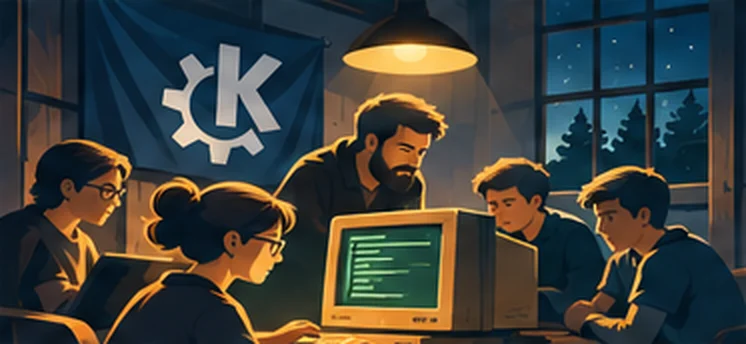
On 14 October 1996 Matthias Ettrich posted to three Linux newsgroups under the subject New Project: Kool Desktop Environment (KDE). His complaint: "a consistant, nice looking free desktop-environment is missing." The post ends with "Programmers wanted!"
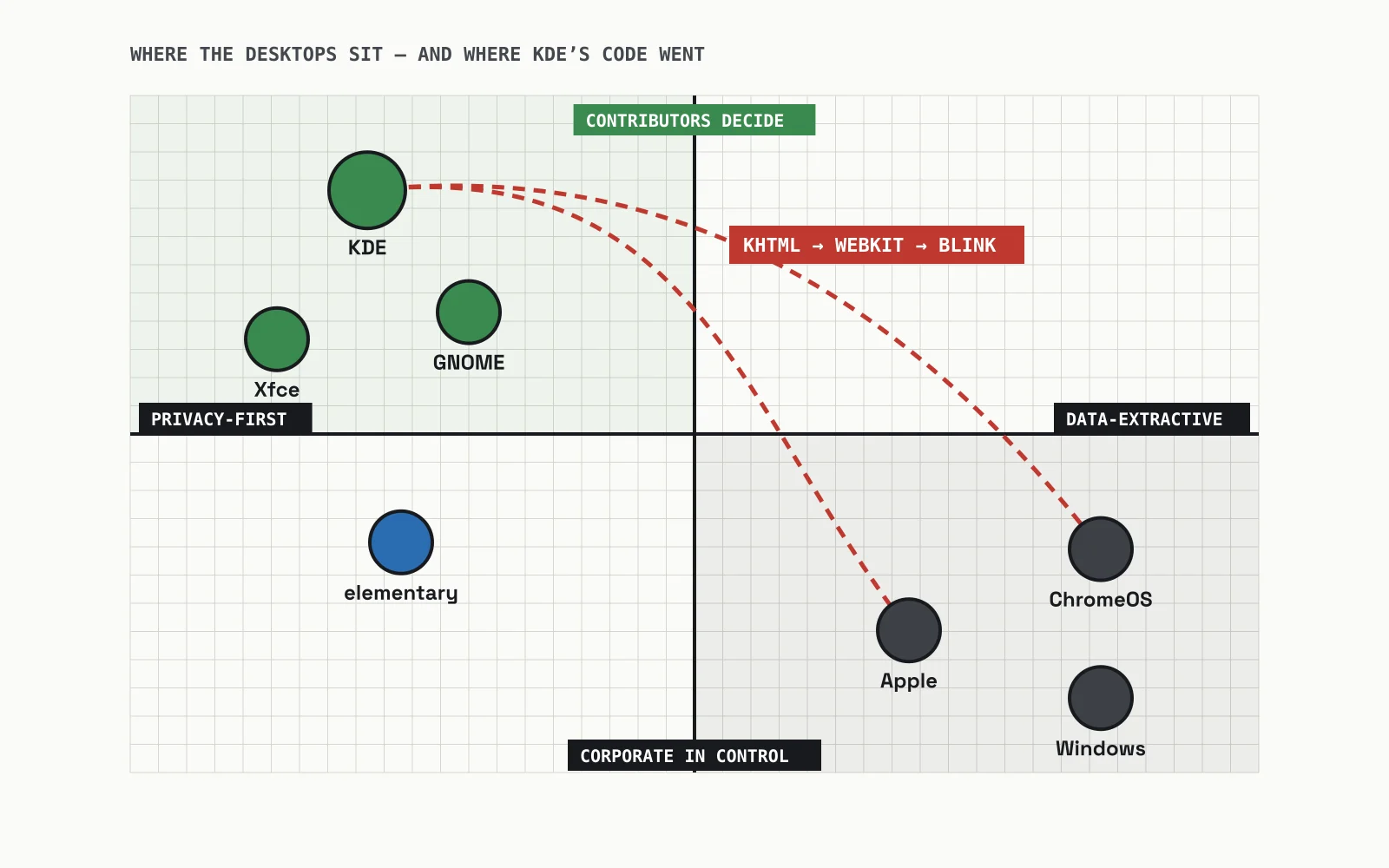
Thirty years later, KDE, Xfce and GNOME sit in the private, community-run corner, and Apple, ChromeOS and Windows sit low and to the right. The one that tells you how the vertical line works is elementary OS: privacy-first, yet placed low. It is made by elementary, Inc., which has had one owner, Dani Foré, since 2022. Its promise is "your data always belongs to you." A company with one owner can keep that promise, and it can also change it.
Who owns it
Who decides
The horizontal line is what you get today. The vertical line is who decides whether you still get it tomorrow.
The engine
KDE's code went to the bottom-right corner.
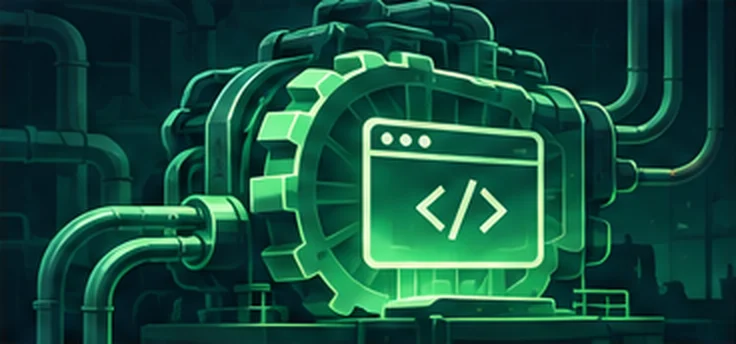
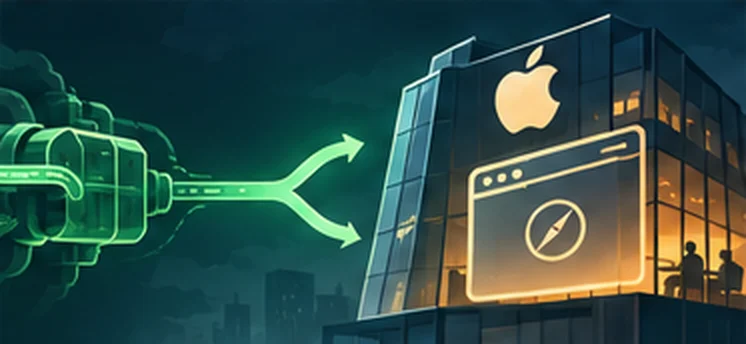
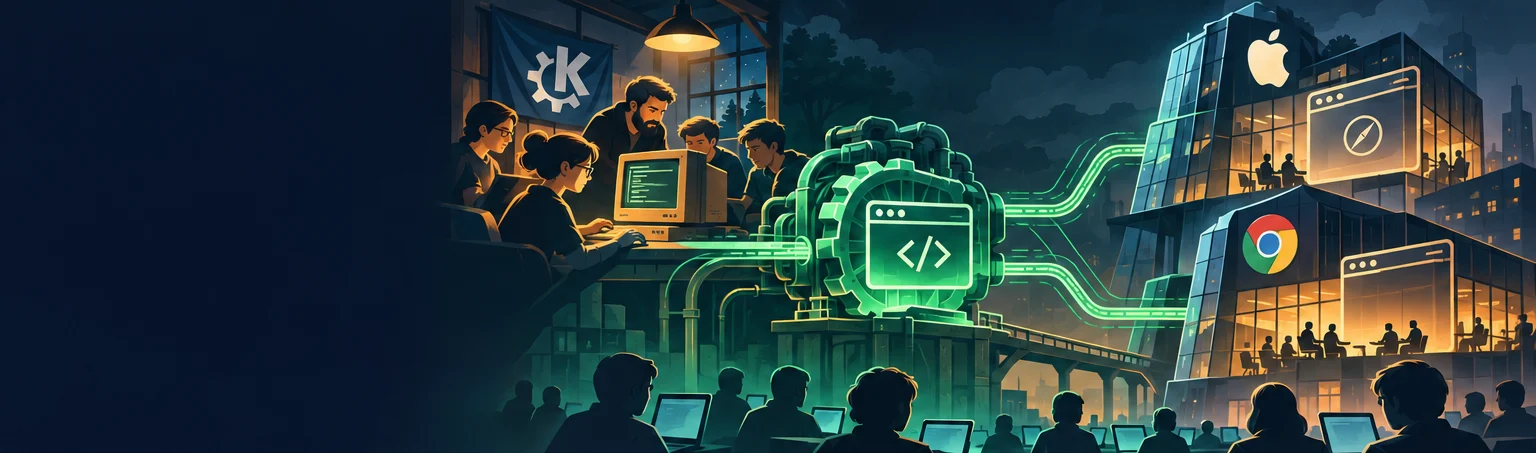
KHTML was the web engine KDE's volunteers wrote for the Konqueror browser in KDE 2. It was free code under a licence that let anyone take it. On 25 June 2001 Apple forked it into what became WebKit, the engine of Safari. By 2005 KHTML's own developers were calling the relationship a "bitter failure": Apple returned huge, thinly documented patches, and its bug tracker was closed to them.
Google built Chrome on WebKit in 2008 and forked it again as Blink on 3 April 2013. In October 2026 StatCounter put Chrome at 68.79% of world browsing and Safari at 16.59%; Edge, Opera and Samsung Internet run on Blink too. Add those up and about 95% of browsing runs on code descended from KHTML.
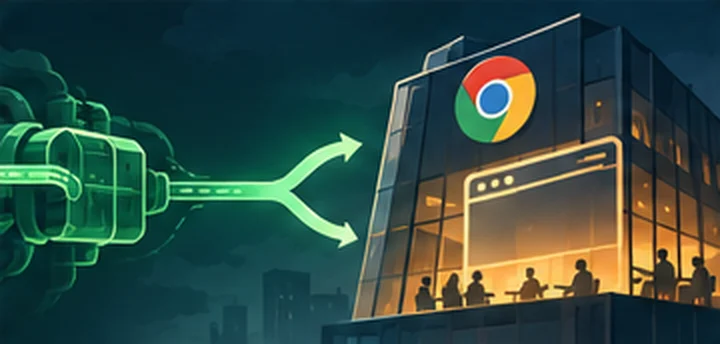
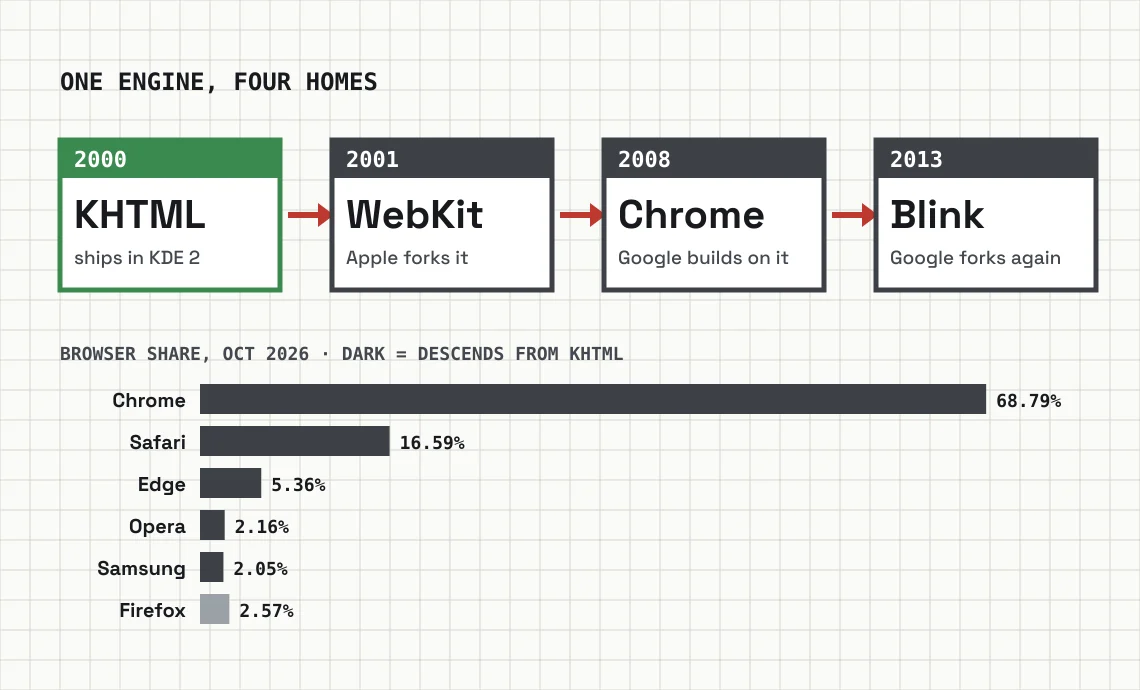
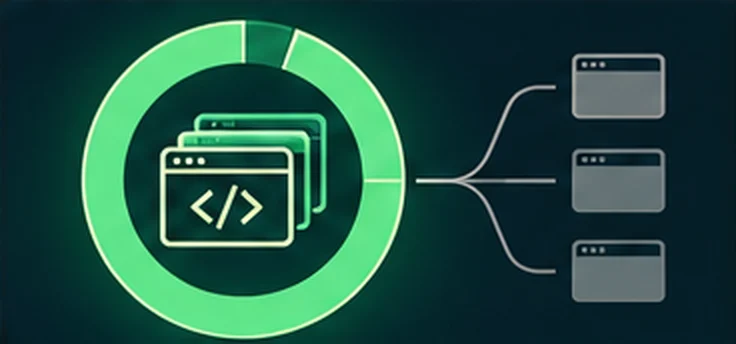
The licence gave everyone ownership of a copy. Whoever ships the product decides what it collects.
The contract
KDE never owned its toolkit. It held a veto over it.

KDE is built on Qt, a toolkit owned by a Norwegian company, Trolltech. Qt's first free edition did not let anyone share modified versions, and GNOME was started in August 1997 partly because of that.
In June 1998 KDE and Trolltech set up the KDE Free Qt Foundation. If the free edition of Qt is ever discontinued, the Foundation has the right to release Qt under a BSD-style licence, which would let anyone take it. The agreement survives a buy-out, a merger or a bankruptcy. Qt passed to Nokia in 2008, to Digia in 2012 and to The Qt Company, and the agreement went with it every time.
In 2020 the owner tested it. Long-term-support releases and the offline installer became "available to commercial licensees only", and the company floated holding back every release from non-paying users for twelve months. KDE e.V. said talks were under way "to ensure the agreement is respected."
That is control without ownership, written down.
The till
Who pays, and what the payment buys.
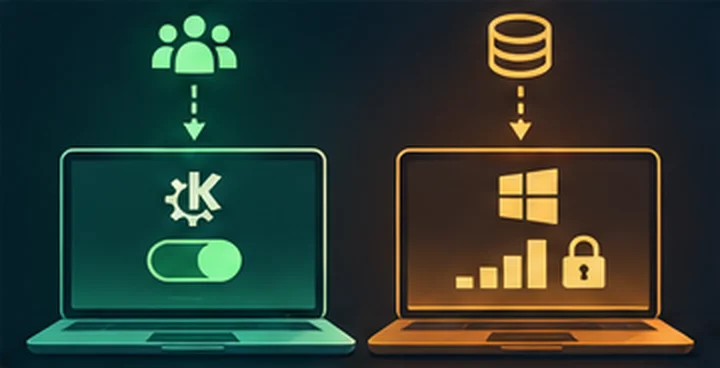
KDE e.V. is a registered non-profit in Berlin, founded on 27 November 1997. In 2025 it took in €849,530; 71% came from supporting members and donations, 11% from patrons and companies. The association looks after the money and the legal side; technical decisions stay with the contributors. The money cannot buy the code's direction.
Its telemetry policy reads the same way: telemetry is "always opt-in. That means off by default," with no unique device, installation or user ID, and "privacy always trumps any need for telemetry data."
On Windows Home and Pro, the lowest diagnostic-data setting is called Required; "off" is offered only on Server, Enterprise and Education. In October 2025 Microsoft's Windows 11 test builds removed the known ways to set up a PC without a Microsoft account. That same month Windows 10 support ended, and KDE helped run End of 10 for the estimated 200 to 400 million PCs left without updates.
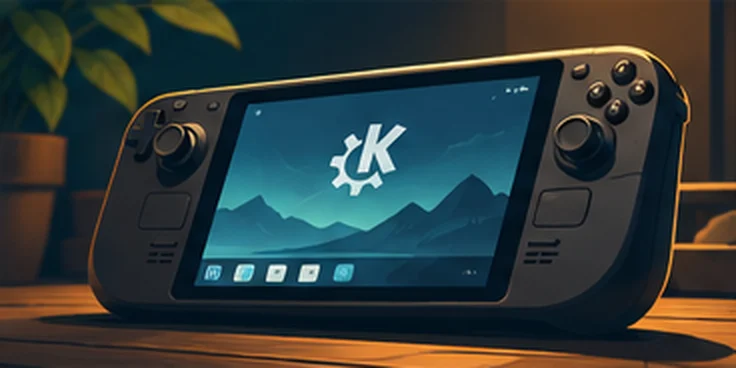
Valve's Steam Deck drops into what Valve calls "a stock KDE Plasma experience", and since 2025 Valve has paid for KDE work. A corporation chose the community desktop, paid for it, and didn't get to steer it. A community engine went to two corporations, and now it steers the web. In both cases the corner was set by who held control, and that was written down.
Sources
Every date, figure and quotation, linked.
- New Project: Kool Desktop Environment (KDE), Matthias Ettrich, Usenet, 14 October 1996 (mirror).
- elementary.io; Cassidy James Blaede, Farewell, elementary and Thurrott, 4 April 2022: elementary, Inc. and its sole owner.
- KHTML and WebKit, Wikipedia: KDE 2, the June 2001 fork, the 2005 "bitter failure", Blink on 3 April 2013. KDE's side: KDE Blogs, 13 May 2005. Chrome: Google Open Source Blog, September 2008.
- StatCounter, browser market share worldwide, October 2026. The ~95% is our sum of Chrome, Safari, Edge, Opera and Samsung Internet.
- KDE Free Qt Foundation, KDE: the June 1998 agreement, the BSD-style licence right, survival through buy-out, merger or bankruptcy. Qt's owners and licences: Qt (software), Wikipedia. GNOME's start: GNOME, Wikipedia.
- Changes in Qt and the KDE Free Qt Foundation, KDE e.V., 6 April 2020; OSNews, 8 April 2020.
- KDE e.V. annual report 2025: income €849,530.24, of which €607,218.60 from supporting members and donations and €96,899.72 from patrons and corporates. Founding: KDE e.V., Wikipedia; KDE e.V. statutes.
- KDE Telemetry Policy.
- Configure Windows diagnostic data in your organization, Microsoft Learn; The Register, 7 October 2025: local-account workarounds removed.
- End of 10, press release, 28 May 2025: 14 October 2025, 200 to 400 million PCs.
- Steam Deck desktop FAQ, Valve; GamingOnLinux, March 2025: Techpaladin and Valve.
An independent lesson. theaxes.fyi has no connection to KDE or any company named here.